
What happens after one pumping session should not last for 500 years.
Our disposable parts are made from cellulose, a pressed plant fiber, with a food-contact-grade barrier coating.
It starts with plants.
We are designing responsible end-of-life into the product from the start, so these parts can return to the earth instead of sitting in landfills for centuries.
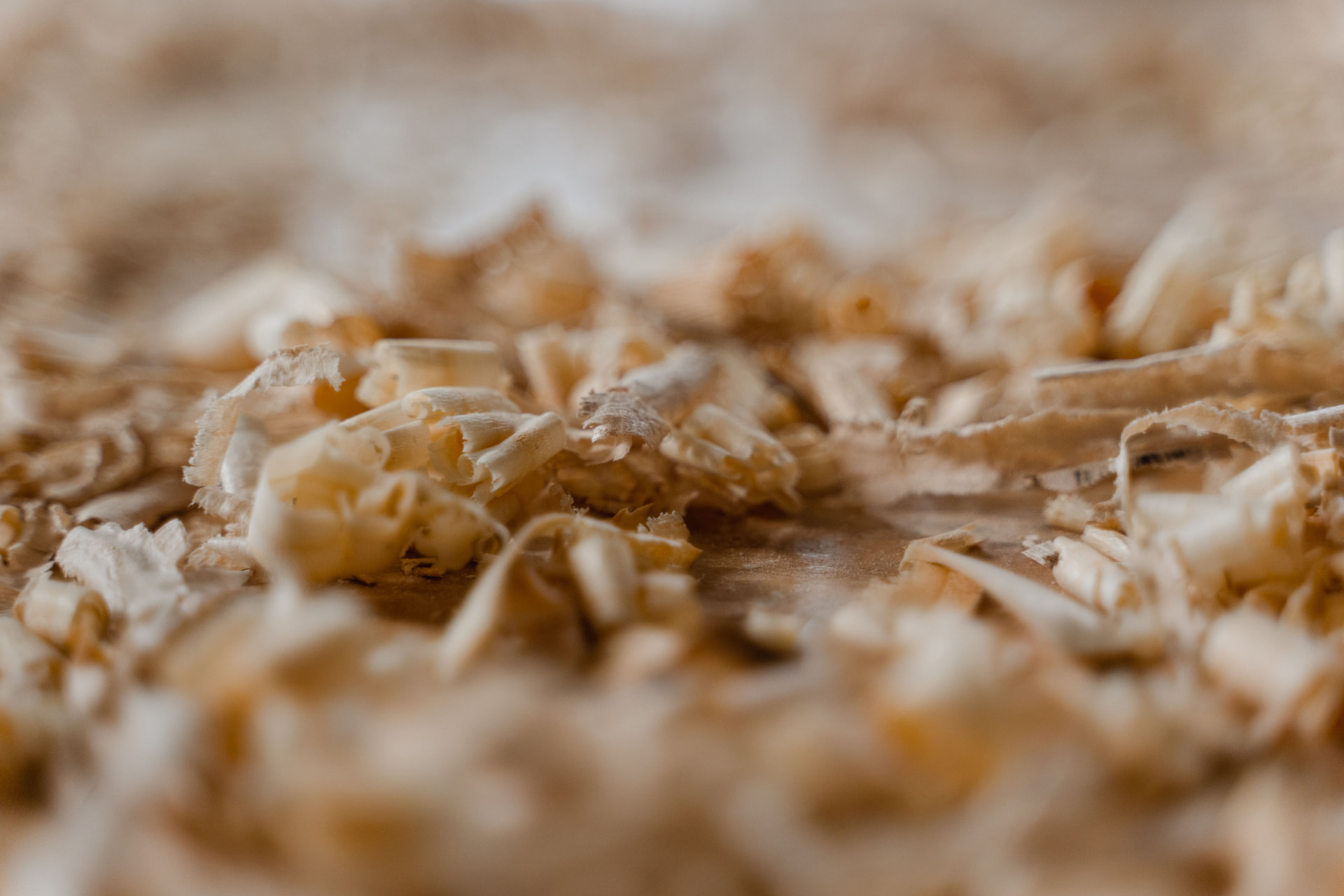
Why molded fiber?
Molded fiber is made from cellulose, one of the most abundant renewable materials on earth. It is already used in food packaging and medical applications, and it lets us move away from petroleum-based plastic for the largest, messiest parts.
Renewable, not petroleum-based
Cellulose comes from plant fiber. That means the raw material starts with biomass, not fossil fuels.
Already trusted
Pressed fiber is used in food service, packaging, and medical trays every day. It is a proven material, just applied differently here.
Breaks down faster than plastic
Under the right conditions, plant fiber breaks down far faster than conventional plastic. We are working to identify and validate those conditions.
The ultra-thin barrier matters.
Plant fiber absorbs moisture, so our parts are lined with an ultra-thin food-contact barrier. It protects the fiber from breastmilk, keeps the surface smooth against skin, and helps the part hold its shape under suction without relying on conventional plastic.
Our sustainability principles.
We are building this company with honesty first. That means clear claims, tested materials, and no shortcuts.
Design for end-of-life first
We considered what happens after pumping before we finalized the material. Disposal is not an afterthought.
Test before we claim
We will not put a compostable, recyclable, or biodegradable label on our packaging until a third party validates it.
Replace plastic where it matters
We focus on the largest, single-use parts first. That is where a material switch removes the most plastic from the waste stream.